Are Relaxed BP Guidelines Safe?

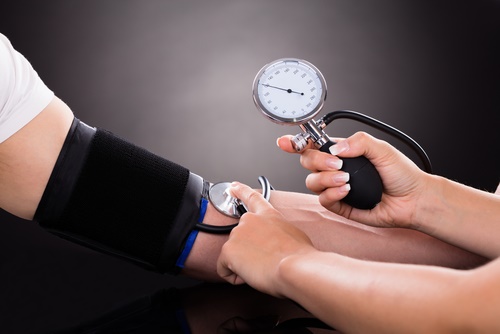
Relaxed guidelines about hypertension could lead to 5.8 fewer million adults taking blood pressure medicine, according to an analysis by Duke Medicine researchers.

That finding is the first peer-reviewed study the impact of guidelines announced in February by the Eighth Joint National Committee, an expert panel. The committee changed the blood pressure goal in adults 60 years and older to 150/90, instead of the previous goal of 140/90. Goals were also eased for adults with diabetes and kidney disease.

Marriage Not as Heart-Healthy at 50+

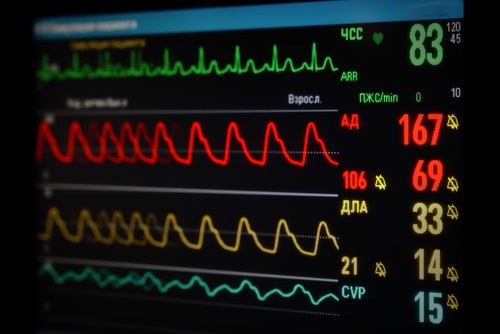
People who are married have lower rates of several cardiovascular diseases compared with those who are single, divorced or widowed, according to research presented at the American College of Cardiology's 63rd Annual Scientific Session in March 2014 in Washington D.C. However, Boomers and Beyond take note: The relationship between marriage and lower odds of vascular diseases is especially pronounced before age 50. For people aged 50 and younger, marriage is associated with 12 percent lower odds of any vascular disease.

Repeat Aortic Valve Replacement Safe at 80+

Surgical aortic valve replacement generally improves patients' symptoms and prolongs survival. However, the perceived risk of surgical aortic valve replacement in patients over 80 may result in surgery being denied or a recommendation for alternative therapy. Investigators at the Mayo Clinic challenge the way these patients have been managed. They report that repeat sternotomy in patients over 80 who have previously had coronary bypass graft surgery can be done with low risk.

Post-Stroke Surgery Increases Survival Rate

Stroke patients over the age of 60 benefit from a post-stroke surgical procedure that temporarily removes part of the skull, researchers have found.

The findings involve people who have suffered a major stroke because of blockage to the middle cerebral artery. The procedure that benefits them is called hemicraniectomy – removal of part of the skull located above the affected brain tissue.  It relieves increased pressure on the brain in the 48 hours after the stroke.

Millions More Adults Could Start Using Statins

Up to 12.8 million Americans may begin taking statins thanks to new guidelines for using the drugs, according to a research team led by scientists from Duke University.

The finding is the first to make specific predictions based on the American Heart Association’s new guidelines, which were issued in November.

The investigators, whose findings were published in the New England Journal of Medicine, found that most of the additional users would be people over 60.

Maybe Saturated Fats Aren’t So Bad After All

A study led University of Cambridge in the UK and published March 18th 2014 in the journal Annals of Internal Medicine raises questions about current guidelines that generally restrict the consumption of saturated fats and encourage consumption of polyunsaturated fats to prevent heart disease.

“Bendopnea” = Heart Failure Symptom

University of Texas Southwestern Medical Center cardiologists have defined a novel heart failure symptom in advanced heart failure patients: shortness of breath while bending over, such as when putting on shoes. The cardiologists dubbed he condition “bendopnea”, which is pronounced “bend-op-nee-ah”/

The easily detectable symptom can help doctors diagnose excessive fluid retention in patients with heart failure, according to the findings published in a March 2014 edition of the Journal of the American College of Cardiology: Heart Failure.

5 Common Questions About Sex and Your Heart

By Steven Nissen, MD

Cleveland Clinic

Patients often ask me: Is sex good for your heart?

The question seems simple. The answer is complicated, in part because of the limits of what research can tell us. But we do have a strong sense that sex fits in with a heart-healthy lifestyle.

Below are answers to five common questions.

1. Is sex exercise?

New “Heart Attack Gene” Discovered

Researchers have found a previously undiscovered gene variation that reduces heart attack risk, and the discovery could lead to better treatment of high cholesterol and related disorders.

The finding, by a team from the University of Michigan and the Norwegian University of Science and Technology, took six years of analysis.

Watch: 3 Common Heart Disease Myths You Probably Believe

Here's another addition to our ThirdAge Video Collection. Press play to start learning!

Key Heart Failure Culprit Discovered

A team of cardiovascular researchers from at Icahn School of Medicine at Mount Sinai in NewYork and the University of California, San Diego have identified a small but powerful new player in the onset and progression of heart failure. Their findings, published in the journal Nature on March 12th 2014, also show how they successfully blocked the newly discovered culprit to halt the debilitating and chronic life-threatening condition in its tracks.

The “Demonization” of Saturated Fats?

After President Eisenhower had a heart attack in his 50s, the erroneous belief that diets low in saturated fat curb heart disease risk was strengthened, according to Dr, James DiNicolantonio, a cardiovascular research scientist and doctor of pharmacy based in Ithaca, New York. His editorial appears online in the March 2014 issue of Open Heart, a journal published by the British Medical Association. Dr.

Anger and Heart Attacks

For some people, anger could literally be a killer.

A new study has found that there’s a nearly fivefold increase in heart attack risk in the two hours following an outburst.

“There has been a lot of research on anger; we already know it can be unhealthy, but we wanted to quantify the risk, not just for heart attack, but for other potentially lethal cardiovascular events as well,” said lead author Elizabeth Mostofsky, MPH, ScD, a post-doctoral fellow in the cardiovascular epidemiological unit at Beth Israel Deaconess Medical Center.

Blood Test to Detect Heart Attacks Quickly

A new blood test can detect heart attacks hours faster than the current gold-standard blood test, according to a study led by Loyola University Chicago Stritch School of Medicine researchers and published in 2014 in the American Journal of Physiology – Heart and Circulatory Physiology.

Pulling Teeth May Not Reduce Cardiac Infection Risk

When patients have the potentially dangerous combination of abscessed or infected teeth and the need for heart surgery, the problem teeth often are removed before surgery to reduce the risk of infections including potentially lethal endocarditis. However a study done at the Mayo Clinic and published in The Annals of Thoracic Surgery found that roughly 1 in 10 heart surgery patients who had teeth extracted before surgery died or had adverse outcomes such as a stroke or kidney failure.

A Better Measure of Obesity-Related Death Risk

A new technique for measuring obesity may soon replace the classic BMI measurement, according to new research.

The technique, known as ABSI (A Body Shape Index), was developed by Dr. Nir Krakauer, an assistant professor of civil engineering from City College of New York, and his father, Dr. Jesse Krakauer, MD

The team tested the technique and published a follow-up study in the online journal PLoS ONE, that supports their contention that the technique, known as A Body Shape Index (ABSI), is a more effective predictor of mortality than Body Mass Index (BMI).

Study: Blood Pressure Should Be Taken in Both Arms

To get the best possible blood pressure reading, health care practitioners should start taking readings using both arms, because a difference between the two readings indicates a significantly higher risk of heart disease, new research shows.

Most blood pressure measurements are taken using only one arm. Although the link between heart disease and differences in “interarm” readings had been suspected, this is the first study that provides statistics supporting that theory.

“Sticky Blood” and Strokes

Scientists at Imperial College London have discovered that iron deficiency may increase the risk of stroke by making blood stickier and more vulnerable to dangerous clothing.

The Imperial team found that iron deficiency increases the stickiness of platelets, small blood cells that initiate blood clotting when they stick together.