
People who have genetic variations associated with lowering LDL-cholesterol appear to have an increased risk of developing cataracts and having cataract surgery, according to new research published in June 2022 in the Journal of the American Heart Association (JAHA). JAHA is an open access, peer-reviewed journal of the American Heart Association (AHA). Previous research has… Continue reading Cataracts: A Newly Discovered Genetic Link
Tag: cataracts
Understanding the Symptoms and Treatments for Cataracts

June Is Cataract Awareness Month Know the symptoms and treatments. A cataract is a clouding of a lens in your eye. Leading causes are age, smoking, and diabetes, with increased risk from prolonged exposure to ultraviolet sunlight and a family history of cataracts. Cataracts may also develop after eye surgery or an eye injury. “Early… Continue reading Understanding the Symptoms and Treatments for Cataracts
Health Tips to Reduce Risks of Age-Related Eye Diseases

September is Healthy Aging Month As people age, they are at higher risk for certain eye diseases and conditions that can cause low vision and impact quality of life. These include age-related macular degeneration (AMD), cataract, diabetic retinopathy, and glaucoma. September is Healthy Aging Month and a great time to talk about preserving vision as… Continue reading Health Tips to Reduce Risks of Age-Related Eye Diseases
Practical Tips About Dealing With Low Vision from Lighthouse Guild

February is Low Vision Awareness Month. Low vision affects millions of Americans, including many older adults. Low vision can make it hard to do things like reading, shopping, cooking, or writing. And it cannot be corrected with eyeglasses, contact lenses, medications, or surgery. Vision rehabilitation, however, can help people with low vision stay independent and make the most of their… Continue reading Practical Tips About Dealing With Low Vision from Lighthouse Guild
What You Need to Know about Cataracts
Cataracts occur when the eye lens gets clouded, thus leading to a loss of vision. It becomes increasingly difficult to see, since light rays from objects can’t pass through the opaque lens to focus on the retina. A comprehensive eye exam can successfully diagnose cataracts. Here are ten facts that you must know about this… Continue reading What You Need to Know about Cataracts
Cataract Surgery in Older Women Is Associated with Decreased Risk of Death

In older women with cataracts in the Women’s Health Initiative inititated by the National Institutes of Health, cataract surgery was associated with a lower risk for overall and cause-specific death, although whether this association is explained by the intervention of cataract surgery is unclear, according to a study published in October 2017 by JAMA Ophthalmology.… Continue reading Cataract Surgery in Older Women Is Associated with Decreased Risk of Death
Older Drivers Who Experience Falls May Be at a Higher Risk for Car Crashes

As we age, our ability to drive may help us live independently, shop for ourselves, and maintain social connections. A release from the American Geriatrics Society explains that although car crash rates are low among older adults and are declining, older adults do still have higher rates of fatal crashes. Falls, which are a common… Continue reading Older Drivers Who Experience Falls May Be at a Higher Risk for Car Crashes
Cataracts: What You Should Know
What is a cataract? A cataract is a clouding of the lens in the eye that affects vision. Most cataracts are related to aging. Cataracts are very common in older people. By age 80, more than half of all Americans have either a cataract or have had cataract surgery. A cataract can occur in either… Continue reading Cataracts: What You Should Know
Diabetes and Eye Disease

Diabetes affects other organs besides the kidneys. It often affects vision. Experts from the National Eye Institute share what diabetic eye disease is, and how it can be managed. Diabetic eye disease comprises a group of eye conditions that affect people with diabetes. These conditions include diabetic retinopathy, diabetic macular edema (DME), cataract, and glaucoma.… Continue reading Diabetes and Eye Disease
Don’t Lose Sight of Cataracts
Here, from the experts at the National Eye Institute of the National Institutes of Health, is information you must know about cataracts, a condition that often affects the vision of people over 60: 1 What is cataract? When the lens of your eye gets cloudy, it is called a cataract. It can cause vision loss… Continue reading Don’t Lose Sight of Cataracts
Eye Drops Using Newly Identified Chemical Could Clear up Cataracts

A chemical that could potentially be used in eye drops to reverse cataracts, the leading cause of blindness, has been identified by a team of scientists from UC San Francisco (UCSF), the University of Michigan (U-M), and Washington University in St. Louis (WUSTL). The study, published November 5th 2015 in Science, reports that the newly… Continue reading Eye Drops Using Newly Identified Chemical Could Clear up Cataracts
Cataracts Facts: Understanding the Inevitable Aging Process
Particularly for those who are approaching middle age, cataracts are a fact of life and a natural condition that has afflicted humans for hundreds, if not thousands of years. In simple terms, a cataract is a white, cloudy formation or opacity that develops in the lens of the eye—progressing slowly over time and with age—reducing… Continue reading Cataracts Facts: Understanding the Inevitable Aging Process
Lifestyle Changes to Save Your Vision
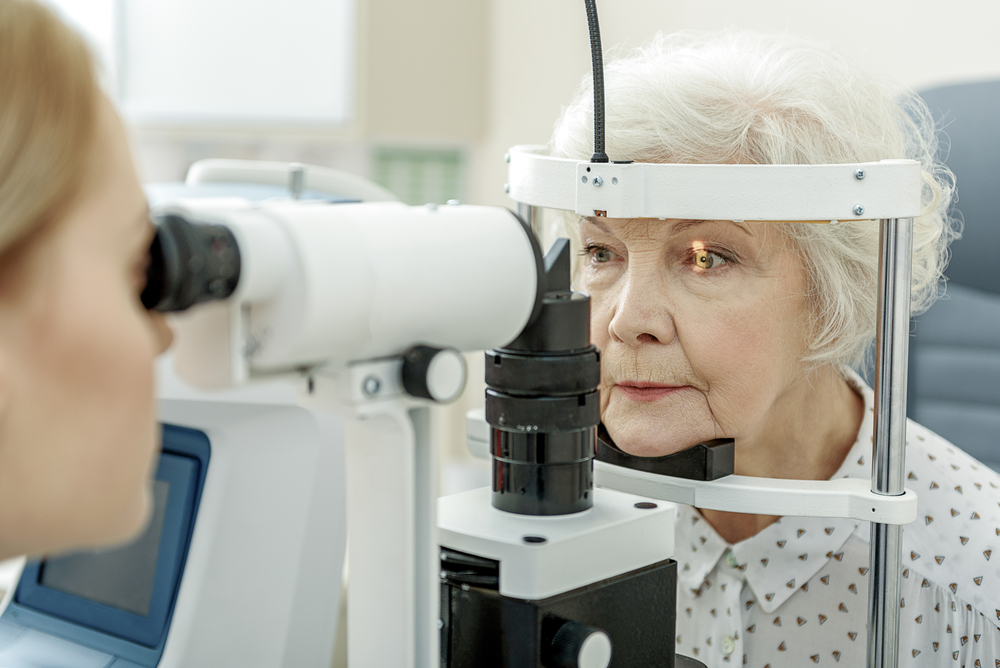
Your vision is an important part of your health, and it’s especially important to maintain healthy sight into your older years, according to the experts from SeniorHealth, a division of the National Institutes of Health. Here, these experts offer some tips on habits that could save the health of your eyes: Go Green The SeniorHealth… Continue reading Lifestyle Changes to Save Your Vision
How to Stop Diabetic Eye Disease

Diabetes, one of the most serious health issues today, affects more than 9 percent of the U.S. population. Although we’re accustomed to think of it primarily in terms of excess weight, the illness carries other risks as well, including that of diabetic eye disease. According to the National Eye Institute (NEI), part of the National… Continue reading How to Stop Diabetic Eye Disease