
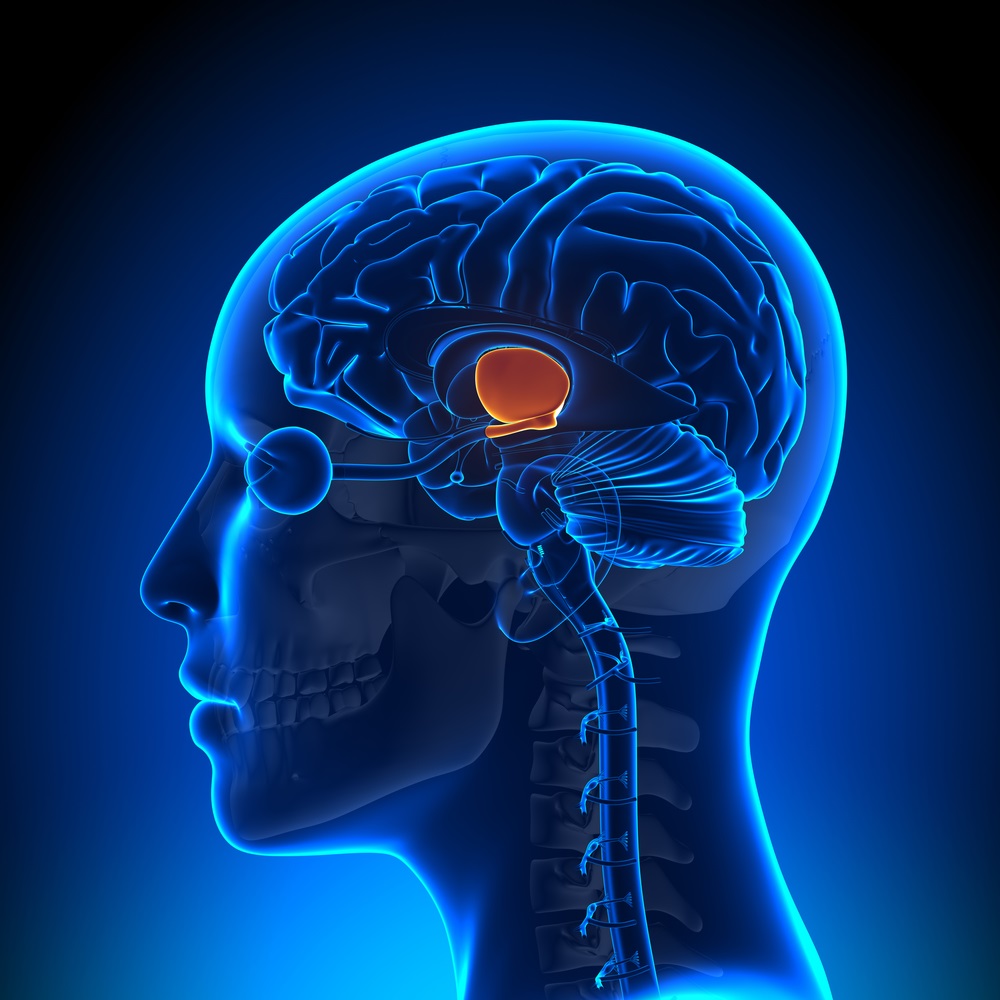
According to the National Institute of Mental Health, over 18 percent of American adults suffer from anxiety disorders. These people suffer from excessive worry or tension that often leads to physical symptoms. A release from the California Institute of Technology reports that previous studies of anxiety in the brain have focused on the amygdala, an area known to play a role in fear. However, Caltech researchers had a hunch that understanding a different brain area, the lateral septum, could provide more clues into how the brain processes anxiety. Their instincts paid off.
Tag: Mental Health
Nature’s Balm for the Stressed Brain
New findings on nociception, a system in the brain that naturally moderates the effects of stress, shows promise for the development of therapies for anxiety and addiction. Collaborating scientists at The Scripps Research Institute, the National Institutes of Health, and the University of Camerino in Italy published their results in the January 8th in the Journal of Neuroscience.
Laugh it Up! The Best De-Stressing Technique

Whether you're guiltily guffawing at an episode of "South Park" or quietly giggling at the latest New Yorker cartoon, laughing does you good. Laughter is a great form of stress relief, and that's no joke. Here, from the experts at the Mayo Clinic, is proof that laughter really can be the best medicine.
Stress relief from laughter
A good sense of humor can't cure all ailments, but data are mounting about the positive things laughter can do.
Short-term benefits
Adults Often Under-Report Mental Health Issues

Mental disorders among adults may be substantially underestimated over the course of their lifetime.
Urban Green Spaces = Mental Health Benefits

Green space in towns and cities could lead to significant and sustained improvements in mental health, According to a study published in January 2014 in the journal Environmental Science & Technology