
Many kids (and parents) who have seen Luke Skywalker battle Darth Vader with a light saber think lasers are cool. What they may not know is this: When operated unsafely, or without certain controls, the highly-concentrated light from lasers—even those in toys—can be dangerous, causing serious eye injuries and even blindness. And not just to… Continue reading Laser Toys: How to Keep Kids Safe
Tag: regulations
Keeping Kids Safe in Cribs

As any parent whose baby has spent some time in the hospital knows, all cribs are not created equal. In most cases, hospital cribs (also called pediatric medical cribs) differ significantly from what’s in your child’s bedroom at home. “Each type of crib is specially designed for safe use in the environment in which it… Continue reading Keeping Kids Safe in Cribs
What to Know about Ground-Meat Safety

Meat grinding isn’t something most of us think about in considering food safety. But the federal Centers for Diseases Control and Prevention (CDC) says each year roughly 48 million people get sick from food. And grinding conditions are a big part of that. As a result, the U.S. Department of Agriculture (USDA) is now requiring… Continue reading What to Know about Ground-Meat Safety
10 Ways to Cut Back on Salt
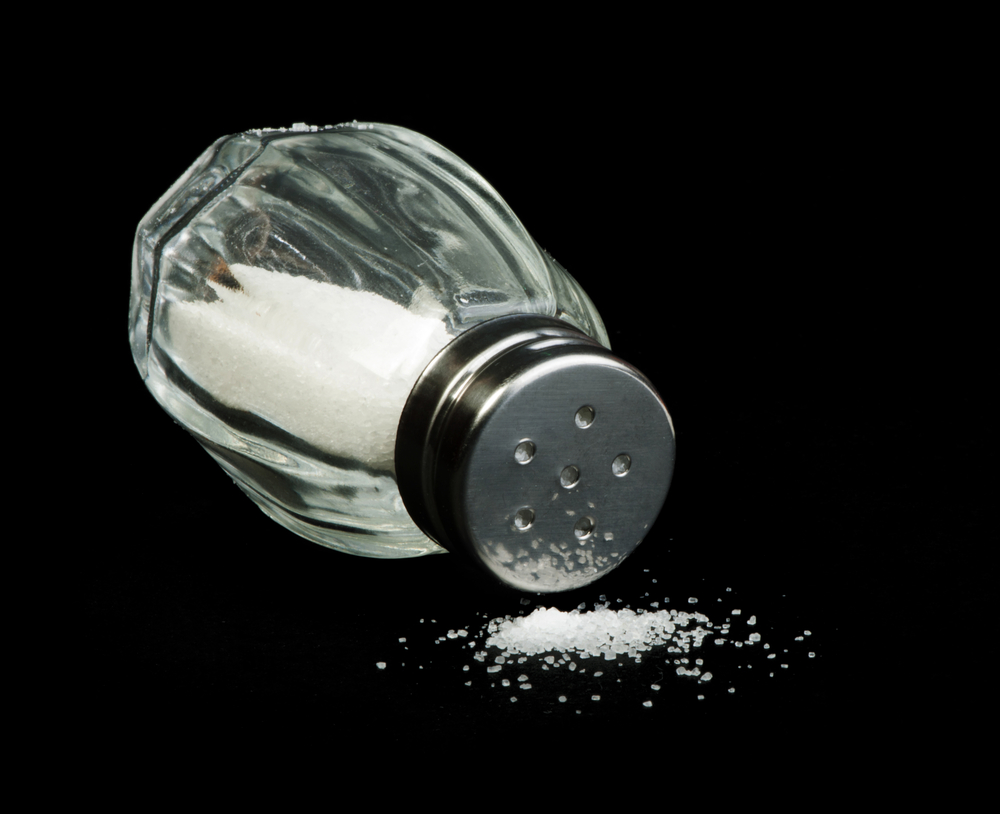
Although the dangers of fat might get more media attention, salt is also something to watch out for. It has been linked to hypertension and heart disease. But controlling it in the food supply isn’t simple. That’s because, according to the federal Food and Drug Administration (FDA), the majority of sodium consumed comes from processed… Continue reading 10 Ways to Cut Back on Salt
BPA: What You Need to Know

The federal Food and Drug Administration (FDA) acknowledges the interest that many consumers have in the safe use of Bisphenol A (BPA) in food packaging. FDA has performed extensive research and reviewed hundreds of studies about BPA’s safety. We reassure consumers that current approved uses of BPA in food containers and packaging are safe. Additional… Continue reading BPA: What You Need to Know
FDA Proposing New Tanning-Bed Regulations

There are many risks from indoor tanning devices: Using sunlamp products such as indoor tanning beds or booths exposes you to ultraviolet (UV) radiation and increases your risk of eye injury, skin damage, and skin cancer—including melanoma, the deadliest type of skin cancer. Due to these risks, the Federal Drug Administration (FDA) already requires indoor… Continue reading FDA Proposing New Tanning-Bed Regulations
Antibiotics In Food Can Affect Patients

Scientists are saying that hospitals should combat the spread of antibiotic resistance by refusing to buy meat from animals that were given antibiotics for growth promotion. For the last two years, University of California San Francisco Medical Center has been phasing out meat from animals that were routinely fed antibiotics, and now nearly a third… Continue reading Antibiotics In Food Can Affect Patients
New Sepsis-Treatment Guidelines Can Help Save Patients

University of Pittsburgh researchers have developed guidelines that will help health care facilities comply with tough new regulations on treating sepsis. Sepsis is a life-threatening condition that arises when the body’s response to an infection injures its own tissues and organs. It occurs in more than 230,000 U.S. patients every year, with most initially… Continue reading New Sepsis-Treatment Guidelines Can Help Save Patients
Who Controls Your Retirement Money?

People make a mistake when they feel as though they’ve lost control of their qualified retirement plans – they never had control in the first place, says retirement advisor Mark Cardoza. “Qualified retirement funds – whether we’re talking about an IRA, 401(k), Contributory or Defined Benefit Pension Plan, or a Roth IRA – have so… Continue reading Who Controls Your Retirement Money?