
Having high blood pressure in your 50’s may impact your ability to keep track or plan ahead in your 80’s, according to a study done at Boston University Medical Center and published in July 2015 in the Journal of Alzheimer’s Disease. A release from the university notes that life expectancy is on the rise and… Continue reading High BP in Your 50’s May Mean Cognitive Decline Later
Category: Senior Health
Aging is part of the cycle of life. Senior living can be full of health, growth, and well-being. Learn more about senior health and key health issues here.
Blood Vessels Can Get Better with Age

Oxidative stress is believed to be the cause of many age-related illnesses, including diabetes, higher blood pressure and age-related cancer. But researchers from the University of Missouri recently found that aging itself offers protection against oxidative stress. These findings, published in the Journal of Physiology, suggest that aging itself may trigger an adaptive response… Continue reading Blood Vessels Can Get Better with Age
A Likely New Contributor to Age-Related Hearing Loss

Conventional wisdom has long blamed age-related hearing loss almost entirely on the death of sensory hair cells in the inner ear, but research from neuroscientists at Johns Hopkins has provided new information about the workings of nerve cells that suggests otherwise. In a paper published July 1 2015 in The Journal of Neuroscience, the Johns… Continue reading A Likely New Contributor to Age-Related Hearing Loss
“Green” Environments Benefit Seniors

Everyone knows that natural environments can promote physical, mental, and spiritual healing. Now, though, research shows that certain kinds of environments are especially beneficial for seniors. Research conducted by a University of Minnesota graduate student with a team in Vancouver, B.C., shows that green and “blue” spaces (environments with running or still water) are especially… Continue reading “Green” Environments Benefit Seniors
Vitamin B12 May Not Help Everybody

Although taking Vitamin B12 helps older people who have a serious deficiency of the substance, it doesn’t improve neurological or cognitive function in older people with only moderate B12 deficiency, according to a new study. The research, from investigators at the London School of Hygiene & Tropical Medicine, was published in the American Journal of… Continue reading Vitamin B12 May Not Help Everybody
Hospital Hazards That Can Harm Older People

Hospital stays can be risky, especially for older people. For example, many seniors who could walk on their own and care for themselves before entering the hospital lose these abilities during their stay. They may also develop delirium (sudden, intense confusion). As part of the Choosing Wisely series, the American Academy of Nursing has partnered… Continue reading Hospital Hazards That Can Harm Older People
Older Patients and Implantable Defibrillators

Fewer one in 10 heart attack patients over 65 get an implantable defibrillator within a year of their heart attacks, according to a study from Duke Medicine. The most likely reasons for the low rate included advanced age, transitions in care between the hospital and an outpatient clinic, and a mandatory waiting period to… Continue reading Older Patients and Implantable Defibrillators
Inactivity Weakens Muscle Mass for Both Old and Young

Both young and old people lose muscle strength once they become inactive, according to new research. A study shows that it takes only two weeks of not using their legs for young people to lose a third of their muscular strength, leaving them on par with a person who is 40-50 years their senior. The… Continue reading Inactivity Weakens Muscle Mass for Both Old and Young
Drug Discovery for Parkinson’s Disease

The progressive loss of neurons in the brain of Parkinson’s patients is slow yet inexorable. So far, there are no drugs that can halt this insidious process. Researchers at the Luxembourg Centre for Systems Biomedicine (LCSB) of the University of Luxembourg have now managed to grow the types of neurons affected starting from neuronal stem… Continue reading Drug Discovery for Parkinson’s Disease
New Cancer Research Approaches Specifically Target 60+ Population

By Samuel Waxman, M.D. Distinguished Service Professor Medicine, Hematology and Medical Oncology and Distinguished Service Professor, Oncological Sciences, Icahn School of Medicine at Mount Sinai and Founder & CEO, Samuel Waxman Cancer Research Foundation. One of America’s precious resources, its senior population, is not getting its fair share of attention in the war against cancer… Continue reading New Cancer Research Approaches Specifically Target 60+ Population
Older Asthma Patients at Increased Risk for Treatment Failure

Older patients with asthma are at increased risk for treatment failure, particularly those patients being treated with inhaled corticosteroids, according to a study done at the Asthma Program at National Jewish Health in Denver. The findings were published online ahead of print publication in June 2015 in the American Thoracic Society’s American Journal of Respiratory… Continue reading Older Asthma Patients at Increased Risk for Treatment Failure
Multitasking Can Be a Good Thing

Who says you can’t do two things at once and do them both well? Multitasking isn’t always a bad thing. In fact, older adults who rode on a stationary bike while completing cognitive tasks found that their cycling speed increased without damaging their cognitive performance. Results of the study, which was supported by a grant… Continue reading Multitasking Can Be a Good Thing
Hope for Preventing Shingles

In a study published in PLOS Pathogens in June 2015, scientists at Bar-Ilan University in Israel report on a novel experimental model that, for the first time, successfully mimics the “sleeping” and “waking” of the varicella-zoster virus. The red, itchy rash caused by varicella-zoster, chickenpox virus usually disappears within a week or two. Yet once… Continue reading Hope for Preventing Shingles
Memory Loss as We Age Is Lower Than What Was Originally Thought

Good news for ThirdAgers! According to research done by the UPV/EHU-University of the Basque Country, the capacity to recall specific facts deteriorates with age, but other types of memory do not. A release from the university reports that Alaitz Aizpurua, a lecturer at the UPV/EHU, maintains that “the highly widespread belief that memory deteriorates as… Continue reading Memory Loss as We Age Is Lower Than What Was Originally Thought
5 Potentially Dangerous Medications in People 65 and Older

It’s no secret that our bodies change over time, but what you may not realize is that these changes can affect the way some drugs work in our bodies. In fact, by the time we hit 65, some drugs—whether prescription or over-the-counter (OTC) — may act differently in your body, but you might actually think… Continue reading 5 Potentially Dangerous Medications in People 65 and Older
High rates of MRSA Transmission Between Nursing Home Residents and Health-Care Workers

Healthcare workers frequently contaminate their gloves and gowns with drug resistant Staphylococcus aureus or MRSA during routine care of nursing homes residents. That is the finding of a study published in May 2015 in Infection Control & Hospital Epidemiology, the journal of the Society for Healthcare Epidemiology of America. A release from the society quotes… Continue reading High rates of MRSA Transmission Between Nursing Home Residents and Health-Care Workers
Omega-3 May Enhance Cognitive Flexibility in At-Risk Older Adults
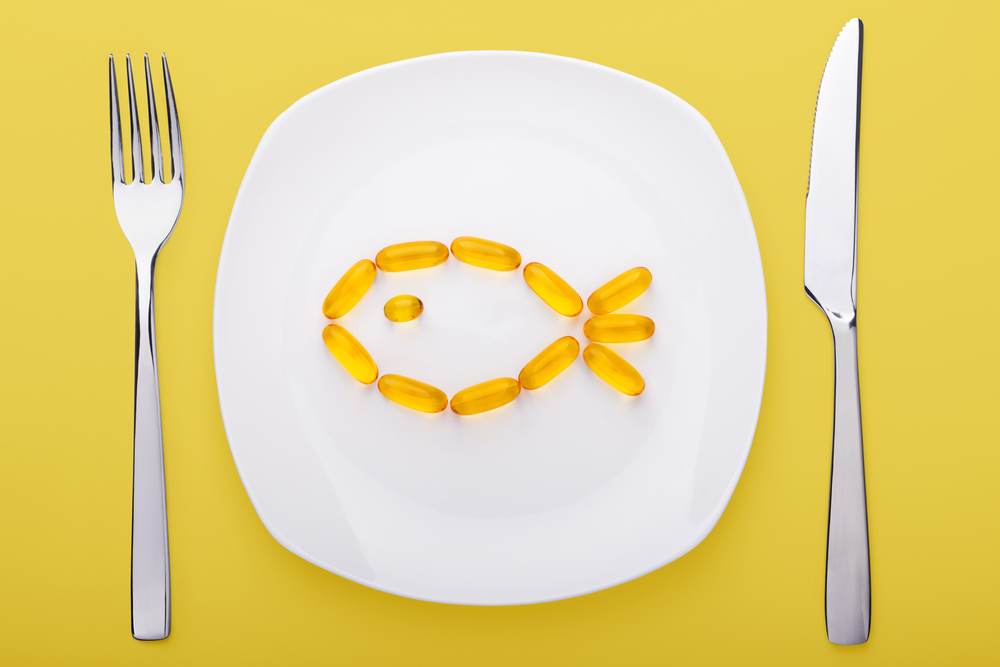
A study done at the University of Illinois at Urbana-Champaign found that older adults at risk of late-onset Alzheimer’s disease who consumed more omega-3 fatty acids did better than their peers on tests of cognitive flexibility — the ability to efficiently switch between tasks — and had a bigger anterior cingulate cortex, a brain region… Continue reading Omega-3 May Enhance Cognitive Flexibility in At-Risk Older Adults
What You Should Do to Prevent Falls

Editor’s note: Falls are common among older people – and can have devastating consquences. Each year, more than 1.6 million older U.S. adults go to emergency departments for fall-related injuries, according to SeniorHealth, a division of the National Institutes of Health. For older adults, falls are the number one cause of fractures, hospital admissions for… Continue reading What You Should Do to Prevent Falls