
Human emotion, whether positive or negative, is felt more intensely under bright light, according to a study done at the University of Toronto Scarborough and Northwestern University. The research is published in the February 2014 edition of the Journal of Consumer Psychology.
Tag: depressive symptoms
Help for Overweight Cats

Obese cats could lose weight if their owners feed them smaller wet meals throughout the day, according to new research from the University of Illinois.
But those methods, which work for humans as well, may be hard to implement.
Diabetes: “Lend a Hand” Prioritizes Goals

The "lend a hand " illustration that accompanies this article shows an open palm with the five major forms of diabetes interventions are arranged in descending order of importance from thumb to little finger as follows: smoking cessation, blood pressure control, metformin therapy, lipid reduction, and glucose control.
With Age, Body Image Gets Better

Boomers worry less about their appearance than Gen-Xers or Millenials do, according to a national online survey done by TODAY and AOL in February 2014. The results showed that 35% of Boomers aged 50 to 68 worry that people are judging their appearance, compared to 51% of Gen Xers aged 35 to 49 and 62% of millennials aged 16-34. Also, while 80% of women under age 24 worry about their appearance regularly, that number drops steadily with age. Among those who are 55+, 52% worry about appearance regularly.
Protecting Yourself From BPA

Editor’s Note: Over the last few years, there have been frightening headlines about the dangers of the chemical BPA, many of them focusing on health risks, including possible liver damage. Water bottles and other containers bearing the label “BPA-free” are common in stores and supermarkets– an indication of how widely known the issue is.
Thyroid Activity & Depression in Seniors

Older people with thyroid gland activity that is in the normal range but more active than average may be at increased risk for depression, according to research done at the Erasmus Medical Center in Rotterdam, the Netherlands and published online ahead of print in the Journal of Clinical Endocrinology & Metabolism.
“Sticky Blood” and Strokes

Scientists at Imperial College London have discovered that iron deficiency may increase the risk of stroke by making blood stickier and more vulnerable to dangerous clothing.
The Imperial team found that iron deficiency increases the stickiness of platelets, small blood cells that initiate blood clotting when they stick together.
Color Vision Problems as We Age
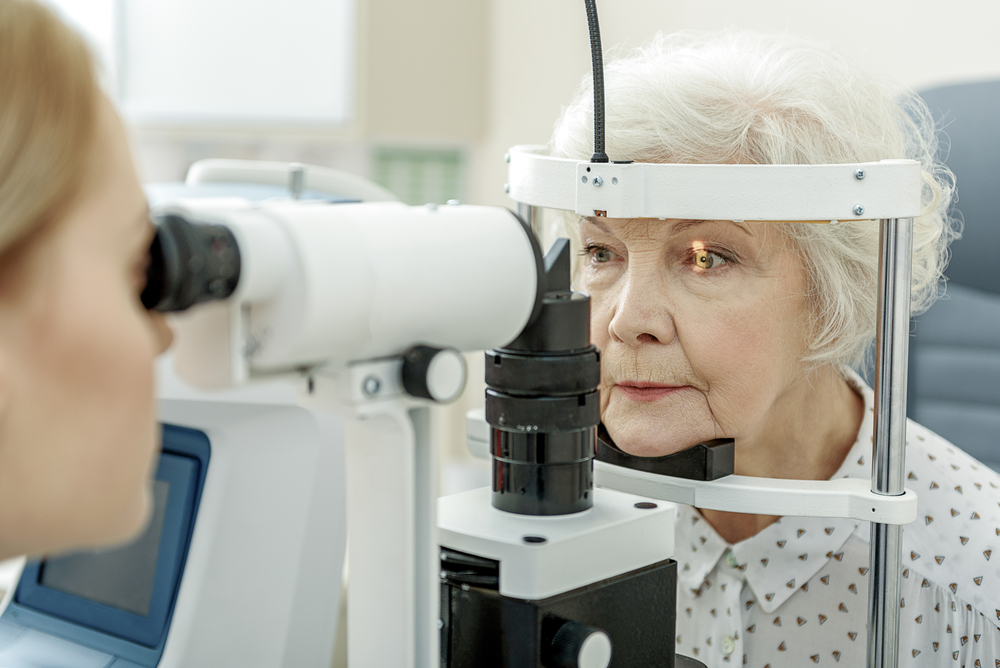
Abnormal color vision increases significantly with aging and affects 50% or more of people in the oldest age groups, according to a study done at The Smith-Kettlewell Eye Research Institute in San Francisco and published in the journal Optometry and Vision Science.
Healthier Broccoli That Won’t Spoil Quickly

While researching methods to increase the already well-recognized anti-cancer properties of broccoli, researchers at the University of Illinois also found a way to prolong the vegetable's shelf life. An article about the study, published in the journal PLoS ONE, reports that the method is natural and inexpensive.
A Step Forward in Treating Hepatitis C

Researchers have discovered the structure of a hepatitis C protein, and the finding could help scientists develop a vaccine for the deadly illness.
Joseph Marcotrigiano, associate professor of chemistry and chemical biology at Rutgers University, says the research has uncovered the structure of an “outer region” of hepatitis C that enables the virus to evade the body’s immune system.
Watch: How to Keep Safe in Winter Weather

Here's another addition to our ThirdAge Video Collection. Press play to start learning!
Healthy Eating After 50

Along with all the other changes we go through as we age, food may start tasting different, according to the National Institute on Aging. Here, from the NIA experts, is why that happens and how to handle it:
There are a few reasons food might be tasting differently these days:
Medicines can alter the way foods taste, or even make you feel less hungry.
Declining Happiness for Men 70+

Research done at Oregon State University and Boston University found that perceptions of unhappiness – or dealing with “hassles” – tends to get worse for men once they are over 70. The study was published in the journal Psychology and Aging. Reasons vary, the investigators say, but may be because of health issues, cognitive decline, or the loss of a spouse or friends.
Racial Disparities in Type 2 Diabetes

Two surprising risk factors – diminished lung function and low serum potassium levels – appear to have nearly the same impact as obesity in explaining why African-Americans are disproportionately prone to developing type 2 diabetes, according to research done at Duke University Medicine and published in the February 2014 print edition of the Journal of General Internal Medicine. The finding points to potential new avenues for developing treatments.
Post-Stroke Blood Pressure Treatment Not Always Effective

Giving blood pressure lowering medications to patients who have suffered a stroke doesn’t reduce their likelihood of death or major disability, according to a new study.
The study was published inJAMA.
At least 25 percent of the population has high blood pressure, which greatly increases the risk of stroke. Lowering blood pressure has been shown to reduce the risk of stroke.
Older Women Self-Employed by Necessity

Older women most often turn to self-employment because of financial need while older men typically choose self-employment. That is the sobering but not surprising finding of research done at the University of Missouri in Columbia. The study will be published in the Journal of Sociology and Social Welfare in March 2014.
Talk Therapy Best for Chronic Pain?

Psychological treatment often provides better relief for chronic pain than prescription drugs or surgery, according to a review published by the American Psychological Association. However, it’s used much less frequently.
“Chronic pain affects 116 million American adults, making it more prevalent than heart disease, diabetes and cancer combined, and traditional medical approaches are inadequate,” said lead author Mark P. Jensen, PhD, of the Department of Rehabilitation Medicine at the University of Washington.
New Tx for Ovarian Cancer Discovered

Researchers at Women & Infants Hospital of Rhode Island have developed a biologic drug that would prevent the production of a protein known to allow ovarian cancer cells to grow aggressively while being resistant to chemotherapy. A release from the hospital quotes Maureen G. Phipps, MD, MPH, chief of obstetrics and gynecology, as saying, "This is a tremendous discovery and could mean the difference between life or death for some women with ovarian cancer.”