
An oral immunotherapy drug, tested in a 10-nation trial, could be the first FDA-approved medication for people living with peanut allergies. The medicine, AR101, is derived from peanut protein and could help patients build tolerance for peanuts. “The results of this landmark trial are likely to lead to the first FDA-approved treatment for food allergy… Continue reading Allergic to Peanuts? Relief May Be at Hand
Category: Food Allergies & Intolerance
It is important to know all about food allergies, whether it be for yourself or others, especially with food intolerance issues becoming more and more prevalent.
DNA-Based Method Detects Trace Amounts of Peanut in Foods

For people with severe peanut allergies, eating even miniscule amounts of the legume can trigger anaphylaxis — a life-threatening condition characterized by dizziness, breathing difficulties and, sometimes, loss of consciousness. Now, researchers have developed a sensitive new test to detect trace amounts of peanuts in foods using the peanuts’ DNA. They reported their results in… Continue reading DNA-Based Method Detects Trace Amounts of Peanut in Foods
More Than Half of US Adults Who Are Prescribed Epinephrine Don’t Use It in an Emergency

The most effective, life-saving treatment for a severe allergic reaction (anaphylaxis) is epinephrine. Yet a 2018 study showed that in an emergency, 52 percent of adults with potentially life-threatening allergies didn’t use the epinephrine auto-injectors (EAI), also called epi pens, which they were prescribed. The study, published in June in Annals of Allergy, Asthma and… Continue reading More Than Half of US Adults Who Are Prescribed Epinephrine Don’t Use It in an Emergency
Peanut Allergy on The Rise Among Children
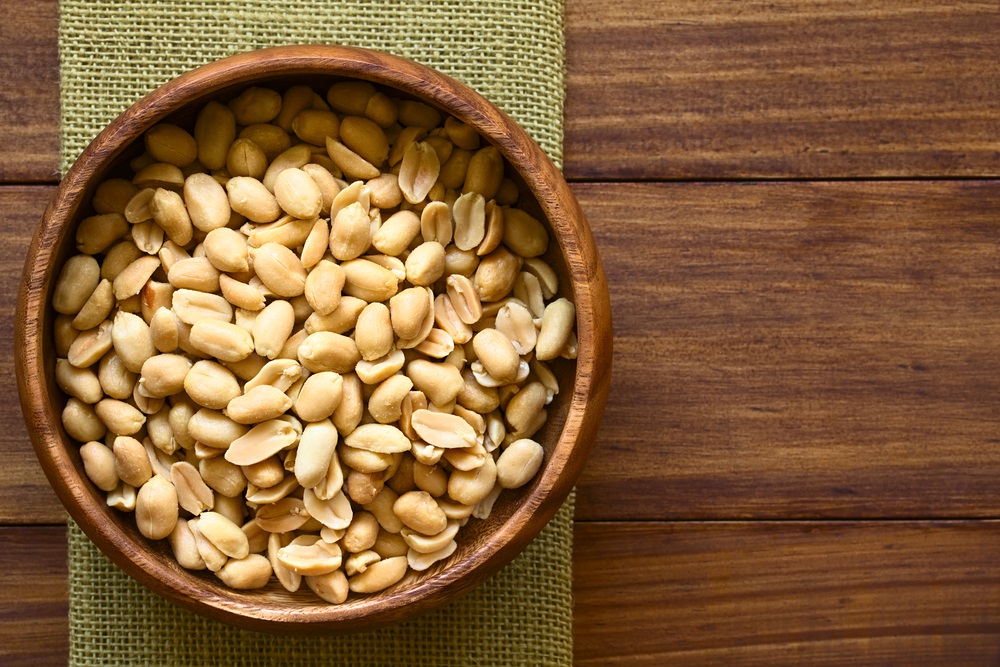
Peanut allergy in children has increased 21 percent since 2010, according to new research, and almost 2.5 percent of U.S. children may have the condition. The research was presented at the American College of Allergy, Asthma and Immunology (ACAAI) Annual Scientific Meeting. “Peanut allergies, along with other food allergies, are very challenging for children and… Continue reading Peanut Allergy on The Rise Among Children
Food Allergies Often Begin in Adulthood

Although food allergies are often thought of in terms of children, almost half of all food-allergic adults reported one or more food allergies that began in adulthood, according to new research. The research was presented at the American College of Allergy, Asthma and Immunology (ACAAI) Annual Scientific Meeting. “Food allergies are often seen as a… Continue reading Food Allergies Often Begin in Adulthood
A Keychain Detector for Food Allergens

Researchers have developed a keychain food allergy detector that can let the owner know whether the food is bad for him or her. The device, which is part of a new portable allergen-detector system, would also detect any cross-contamination in foods that would otherwise be safe. The development, by researchers from Harvard Medical School and… Continue reading A Keychain Detector for Food Allergens
Gluten-Free: A Toxic Link?

Although gluten-free eating is popular, people who regularly consume that kind of food may be at risk for increased exposure to arsenic and mercury – toxic metals that can lead to cardiovascular disease, cancer and neurological effects Those findings, from researchers at the University of Illinois Chicago (UIC), were published in the journal Epidemiology. Gluten-free… Continue reading Gluten-Free: A Toxic Link?
Home Remedies: Gas, Bloating and Belching

According to an article on the Mayo Clinic News Network, bloating, burping and passing gas are usually caused by swallowed air or the breakdown of food through digestion. Here’s what causes them, and how to remedy them: Bloating is a gas buildup in your stomach or intestines, the article says, building up in your stomach… Continue reading Home Remedies: Gas, Bloating and Belching
Confusing Food Labels Put People with Food Allergies at Risk

A 2016 study done at Ann & Robert H. Lurie Children’s Hospital of Chicago found that consumers with food allergy concerns often misunderstand food labels about allergens that say “may contain” or “manufactured on shared equipment”. While people with allergies should avoid such products to prevent what could be a serious allergic reaction, up to… Continue reading Confusing Food Labels Put People with Food Allergies at Risk
Gluten-Free Foods: Making the Right Choices

“Gluten-free” is one of the most popular food categories today. Mayo Clinic experts share what you should know about it, and what traps to avoid: Gluten-free diets are those that omit the protein gluten, which is found in wheat, barley, rye and a cross between wheat and rye known a triticale. A gluten-free diet is… Continue reading Gluten-Free Foods: Making the Right Choices
Diagnosing Lactose Intolerance

Is it possible to become lactose intolerant at a later age? What should you do about lactose intolerance? According to the experts at Mayo Clinic, lactose intolerance can develop any age. It might be triggered by another medical condition like Crohn’s disease, or there may be another cause. Dr. Rohit Divekar, Allergic Diseases, Mayo, suggests… Continue reading Diagnosing Lactose Intolerance
5 Ways New FDA Rules Will Make Your Foods Safer

September is Food Safety Month. How will you and your family be protected by the new actions the Food and Drug Administration (FDA) is taking to keep your food safe? The first two of seven rules proposed to implement the landmark FDA Food Safety Modernization Act (FSMA) (the preventive controls rules for human and animal… Continue reading 5 Ways New FDA Rules Will Make Your Foods Safer
Keeping Track of Food Safety Recalls

In all likelihood you’ve heard about some recalls on television or in the newspaper, but that may not be all the information you need. Here, from the website www.foodsafety.gov, is what you need to know about food recalls, and how to find the latest information: Recalls & Alerts A food recall occurs when there is… Continue reading Keeping Track of Food Safety Recalls
Better Treatment for Listeria?

Researchers have discovered that the pathogen Listeria monocytogenes grows on refrigerated smoked salmon via a different pathway than had been known to do in the laboratory. The research could lead to reduced incidences of food-borne illness and death, said principal investigator Teresa Bergholz, PhD., of North Dakota State University, Fargo. The study appears July 24… Continue reading Better Treatment for Listeria?
Allergic to Milk? It Might Be in Your Dark Chocolate

If you or someone in your household is allergic to milk, take heed: a recent study by the Food and Drug Administration (FDA) tested 100 dark chocolate products and found that many contained milk. More importantly, you can’t always tell that’s the case simply by reading the food label. “This can be a problem, since… Continue reading Allergic to Milk? It Might Be in Your Dark Chocolate
FDA Ensures Your Foods From Animals Are Safe

If you eat meat or drink milk, you want to know: Are there trace amounts of the veterinary drugs used in food-producing animals entering your diet? And if they are, are the amounts safe for human consumption? Those questions—among others—are the concern of the Division of Residue Chemistry, which is part of FDA’s Center for… Continue reading FDA Ensures Your Foods From Animals Are Safe
Finding Food Allergens Where They Shouldn’t Be

The allergens most often involved in food recalls are milk, wheat and soy. Any allergen present but not declared on a product’s label poses a serious health risk. If you’re allergic to a food ingredient, you probably look for it on the food product’s label. But some labels may not be as reliable as they… Continue reading Finding Food Allergens Where They Shouldn’t Be
Milk & Egg Allergies More Worrisome Than Nut Allergies

If you’re the grandparent or parent of a child with food allergies, you know that constant vigilance is called for regarding everything your off-spring child eats. A hidden ingredient can be fatal.