
Parents and grandparents, take note! While adolescent use of tobacco has declined since the 1970s, e-cigarettes are threatening to addict a new generation to nicotine. In a comprehensive set of policies issued during its National Conference & Exhibition in October 2015 in Washington D.C., the American Academy of Pediatrics (AAP) presented extensive recommendations to protect… Continue reading New Policy Statements Urge Strong Regulations of E-Cigarettes
Category: Addiction & Substance Overuse
A Better Understanding of Alcoholism

A cure for alcoholism and other addiction could be closer to realization thanks to researchers’ discovery of a neuron that determines whether one drink leads to two. A study, published in the Journal of Neuroscience by researchers at the Texas A&M Health Science Center College of Medicine, finds that alcohol consumption alters the structure and… Continue reading A Better Understanding of Alcoholism
Teaching Clinicians Safe Opioid Prescribing

Educating clinicians on how to prescribe opioids safely can help decrease opioid misuse among chronic pain sufferers. That’s the finding of research done at Boston University Medical Center and published online in August 2015 in the journal Pain Medicine. The study confirms that education can empower clinicians to make more informed clinical decisions about initiating,… Continue reading Teaching Clinicians Safe Opioid Prescribing
ThirdAge Health Close-Up: Smoking and Your Eyesight
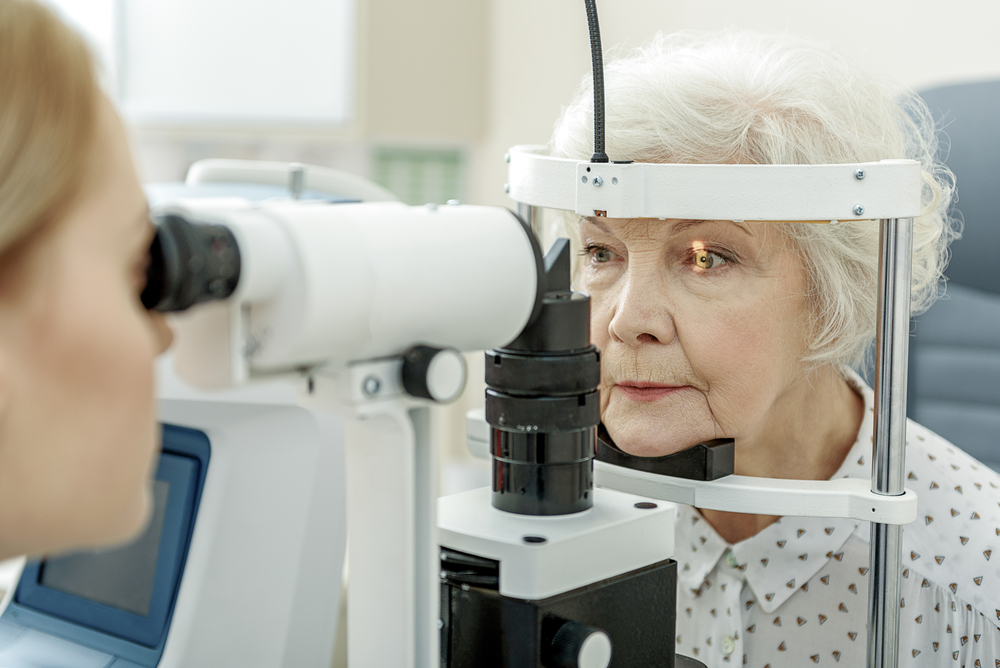
Editor’s note: Smoking is the leading, preventable cause of death and disease in the U.S. Each year tobacco use kills more than 480,000 Americans. Smoking cause’s immediate damage to the body and it can lead to serious long-term health problems. In fact, for every smoking-related death, at least 30 Americans live with a smoking-related illness. … Continue reading ThirdAge Health Close-Up: Smoking and Your Eyesight
Strengthening Self-Control Is Better Than a “Quit Date” to Kick the Smoking Habit

The desire to quit smoking — often considered a requirement for enrolling in treatment programs — is not always necessary to reduce cigarette cravings, argues a review of addiction research published July 30TH 2015 in Trends in Cognitive Sciences. Early evidence suggests that exercises aimed at increasing self-control, such as mindfulness meditation, can decrease the… Continue reading Strengthening Self-Control Is Better Than a “Quit Date” to Kick the Smoking Habit
“Successful Aging” Linked to Harmful Drinking Aming Over 50s

The over 50s who are “successful agers”– healthy, active, sociable, and well off–are more at risk of harmful drinking than their less successful peers, concludes research published in July 2015 the online journal BMJ Open. A release from the publisher notes that the researchers warn that harmful drinking is a “middle class phenomenon” which may… Continue reading “Successful Aging” Linked to Harmful Drinking Aming Over 50s
Alcohol Awareness Month: How Much Are You Drinking?

Editor’s Note: April is Alcohol Awareness Month, a good time to increase awareness of the public-health issue that is alcohol misuse. According to the National Institute on Alcohol Abuse and Alcoholism (NIAAA), in 2006 alcohol misuse problems cost the U.S. the staggering amount of $224 billion, primarily from los productivity but also from health care… Continue reading Alcohol Awareness Month: How Much Are You Drinking?
Doctors and Drug-Abuse Monitoring

There are a number of databases that track drug prescriptions, but physicians aren’t using them as much as they should, say researchers from the Johns Hopkins Bloomberg School of Public Health. According to a release from the school, a survey of 420 primary care physicians found that 72 percent indicated they were aware of their… Continue reading Doctors and Drug-Abuse Monitoring
The Drug/Alcohol Combination: Are You Putting Yourself in Danger?

Although it’s well known that certain drugs can interact with each other (that’s why it’s important that health-care providers know all the medications a patient is taking), the interaction of medicine with alcohol presents an equal, if not greater, problem. According to the National Institutes of Health (NIH), many common prescription medicines can interact badly… Continue reading The Drug/Alcohol Combination: Are You Putting Yourself in Danger?
Retirees Need Help in Addressing Substance-Abuse Issues
Researchers say that older Americans suffering from substance abuse often do so not because of retirement alone but because of many circumstances, such as the death of loved ones, that occur at that stage of life. Currently, close to three million Americans aged 55 and older suffer from alcohol abuse — and that is expected… Continue reading Retirees Need Help in Addressing Substance-Abuse Issues
Should You Rethink How You Drink?

Developing alcoholism isn’t something that happens overnight. According to the National Institute on Alcoholism and Alcohol Abuse (NIAA), which has a program called “Rethinking Your Drinking,” there are deceptively mild symptoms that can indicate the start of a drinking problem. If you’re aware of the signs, you can recognize them early enough to make a… Continue reading Should You Rethink How You Drink?
A Possible Treatment for Binge Drinking

Scientists have discovered profound changes in proteins that could lead to treatment for alcohol-related liver diseases. The researchers, from the University of Missouri School of Medicine, said the changes occur because of binge drinking. The National Institute on Alcoholism and Alcohol Abuse defines binge drinking as five drinks over a two-hour period for men, and… Continue reading A Possible Treatment for Binge Drinking
Are You or a Loved One “Almost Alcoholic?”

By Judy Kirkwood
Drug Abuse Among Seniors

By Judy Kirkwood
The problem of older adults abusing prescription and illicit drugs hasn’t gotten enough attention says Dr. Gaya Dowling, acting chief of science policy branch at NIDA (National Institute on Drug Abuse). “When we think of drug abuse, we think of young people,” says Dowling. But there has been an undeniable rise in the number of patients over 50 who require intervention and treatment. Many more remain in the shadows, undiagnosed.