
The MIND and Mediterranean diets — both of which are rich in vegetables, fruits, whole grains, olive oil, beans, and fish — are associated with fewer signs of Alzheimer’s disease in the brains of older adults. Green leafy vegetables were associated with less Alzheimer’s brain pathology. This study, funded by the National Institute on Aging… Continue reading Brain Food: Alzheimer’s and Diet
Tag: fish
New Numbers for Omega-3 Fatty Acids

About 3 grams daily of omega-3 fatty acids, consumed in foods or supplements, appears to be the optimal daily dose to help lower blood pressure, according to a research review published in June 2022 in the Journal of the American Heart Association, an open access, peer-reviewed journal of the American Heart Association (AHA). Omega-3 fatty… Continue reading New Numbers for Omega-3 Fatty Acids
Fish Can Be Brain Food for Some Seniors

A new study suggests that healthy older people who eat two or more servings of fish a week, including salmon, tuna and sardines, may have a lower risk later in life of developing vascular brain disease, a group of conditions that affect blood flow and blood vessels in the brain. The research is published in… Continue reading Fish Can Be Brain Food for Some Seniors
Superfoods: 13 Foods That Will Help You Manage Your Diabetes

There’s a lot of hype about superfoods right now. We’ve all heard about the “magical” properties that certain foods possess, but with all the misinformation out there, it’s hard to really understand what’s true and what isn’t. Certain foods really do pack more nutrition than others. Superfoods do exist, and they can be a helpful… Continue reading Superfoods: 13 Foods That Will Help You Manage Your Diabetes
Yet Another Reason to Eat More Vegetables (And Fish)

A naturally occurring compound could be a new weapon in the fight against heart disease and hypertension. Researchers working with an animal model found that elevated levels of the compound, trimethylamine N-oxide (TMAO), may reduce hypertension-related heart disease symptoms. Treatment with TMAO also reduced heart thickening (cardiac fibrosis) and markers of heart failure in in… Continue reading Yet Another Reason to Eat More Vegetables (And Fish)
5 Flu-Fighting Foods

American Family Care, the nation’s leading urgent care provider, shares strategies to avoid the flu in the coming months. Besides getting your flu shot, they say, eating these five foods can help ward off the pesky ailment: GARLIC Garlic contains allicin, a compound that is known to boost immunity. You can crush, slice or chew… Continue reading 5 Flu-Fighting Foods
What You Need to Know About Protein Intake

Protein gets a lot of publicity these days. Just think of all the protein bars, shakes and powders out there. It’s supposed to help with weight loss and build muscle. But what’s the real story? Here, from an article in the Mayo News Network, is what you should know: “Contrary to all the hype that… Continue reading What You Need to Know About Protein Intake
What Should You Know about Proteins?
Editor’s note: Protein foods are an essential part of a healthy diet. Here, experts from ChooseMyPlate, a division of the U.S. Department of Agriculture, offer a basic guide to this important food group as well as tips on selecting the best kinds of protein-rich foods. What foods are in the protein foods group? All foods… Continue reading What Should You Know about Proteins?
Ready to Vary Your Protein Routine?
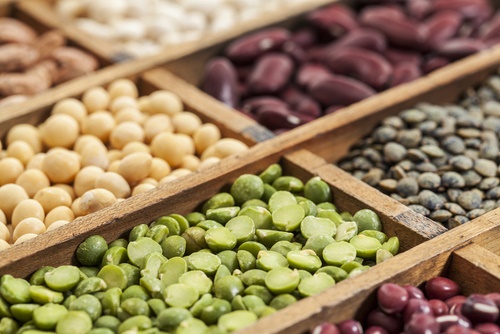
Protein foods include both animal (meat, poultry, seafood, and eggs) and plant (beans, peas, soy products, nuts, and seeds) sources. We all need protein—but most Americans eat enough, and some eat more than they need. How much is enough? Most people, ages 9 and older, should eat 5 to 7 ounces* of protein foods each… Continue reading Ready to Vary Your Protein Routine?
Fish-Flavored Food May Be Unhealthy for Cats

Fish-flavored food may be causing an increasing number of cases of hyperthyroidism in cats, according to new research. The finding was published in the American Chemical Society’s journal Environmental Science & Technology Hyperthyroidism is a hormonal disorder that can cause weight loss, hyperactivity, aggression, vomiting and other symptoms in cats. No one knows for sure… Continue reading Fish-Flavored Food May Be Unhealthy for Cats
Omega-3s Don’t Benefit Brain Health

Omega-3 fatty acids, touted as an aid to brain health, don’t slow cognitive decline, according to a large trial conducted by researchers at the National Institutes of Health. The study, which followed 4,000 patients over a five-year period, was published in the Journal of the American Medical Association. “Contrary to popular belief, we didn’t see… Continue reading Omega-3s Don’t Benefit Brain Health
Get Smart about Protein

Editor’s Note: According to the National Institute on Aging, proteins are often called the body’s building blocks. They are used to build and repair tissues. They help you fight infection. Your body uses extra protein for energy. Good sources of protein are seafood, lean meat and poultry, eggs, beans and peas, soy products, and… Continue reading Get Smart about Protein
Fish Oil Could Cause Resistance to Chemo

Researchers at the Netherlands Cancer Institute in Amsterdam found that consuming herring and mackerel as well as three kinds of fish oils, raised blood levels of the fatty acid, which experiments in mice suggest may induce resistance to chemotherapy used to treat cancer. The study was published online in April 2015 by JAMA Oncology. A… Continue reading Fish Oil Could Cause Resistance to Chemo
Eating Fish May Help Avoid Hearing Loss
We already know that eating fish regularly can help reduce the risk of heart disease, but now research shows that it’s associated with a lower risk of hearing loss in women. Investigators from Brigham and Women’s Hospital in Boston looked at statistics from the Nurses’ Health Study II. In the study, 65,215 women were followed… Continue reading Eating Fish May Help Avoid Hearing Loss