
Young adolescents with poor sleeping habits experience significant effects on blood pressure, cholesterol levels and abdominal fat deposition, according to a new study. The research, led by a Massachusetts General Hospital for Children (MGHfC) physician, was published in the journal Pediatrics. “While many studies have associated shorter sleep duration with increased obesity levels in children,… Continue reading Both Quantity and Quality of Sleep in Adolescents Affect Cardiovascular Risk
Tag: blood pressure
Limited Health Literacy is a Major Barrier to Heart Prevention and Treatment

Limited health literacy is a major barrier blocking many people from achieving good cardiovascular health or benefiting from effective treatment for heart attacks, heart failure, strokes and other cardiovascular diseases, according to a scientific statement published in the American Heart Association’s journal Circulation. Health literacy encompasses not only the ability to read, but skills such… Continue reading Limited Health Literacy is a Major Barrier to Heart Prevention and Treatment
10 Questions to Ask about Your Heart-Disease Risk

Editor’s note: Heart disease is the number-one killer among women in the U.S. It’s essential that you know your own risk, and what you can do to lower it. Here, from the experts at the National Institute on Aging, are ten crucial questions to ask your doctor or nurse. If you think you won’t remember… Continue reading 10 Questions to Ask about Your Heart-Disease Risk
Adults without Partners Monitor Blood Pressure Less Frequently

Having a lower education level and no partner is associated with a lower frequency of home blood pressure monitoring, according to new research presented at the American Heart Association’s Council on Hypertension 2017 Scientific Sessions. Researchers assessed the data of 6,113 U.S. adults from the 2013-2014 National Health and Nutrition Examination Survey (NHANES). They found:… Continue reading Adults without Partners Monitor Blood Pressure Less Frequently
Stress, Your Brain – and The Risk of Heart Disease

The brain may have a distinctive activity pattern during stressful events that predicts bodily reactions, such as rises in blood pressure that increase risk for cardiovascular disease, according to new proof-of-concept research in the Journal of the American Heart Association, the Open Access Journal of the American Heart Association/American Stroke Association. The new research, the… Continue reading Stress, Your Brain – and The Risk of Heart Disease
Don’t Skip These Important Health Tests

With the healthcare system is crisis, tons of red tape, and fewer doctors accepting insurance, managing one’s health has become a major challenge. More and more women are skipping key exams simply because getting appointments are a hassle and obtaining coverage isn’t always guaranteed. That said, there are some key tests and exams that everY… Continue reading Don’t Skip These Important Health Tests
A New Era in Diabetes Treatment?

A drug used to treat people with type 2 diabetes also significantly reduces the risk of both cardiovascular and kidney disease, according to new research. The study, by The George Institute for Global Health, based in Newtown, Australia, has major implications for the treatment of type 2 diabetes. The illness affects around 450 million people… Continue reading A New Era in Diabetes Treatment?
Low-Dose Hypertension Pill Shows Remarkable Results

Researchers have concluded based a small but clinically important trial that a new ultra-low dose pill to treat hypertension has produced startling results. Every patient in the pilot trial conducted by The George Institute for Global Health, in Sydney, Australia, saw their blood pressure levels drop to normal levels in just four weeks. Professor Clara… Continue reading Low-Dose Hypertension Pill Shows Remarkable Results
New Treatment Target for Blood Pressure
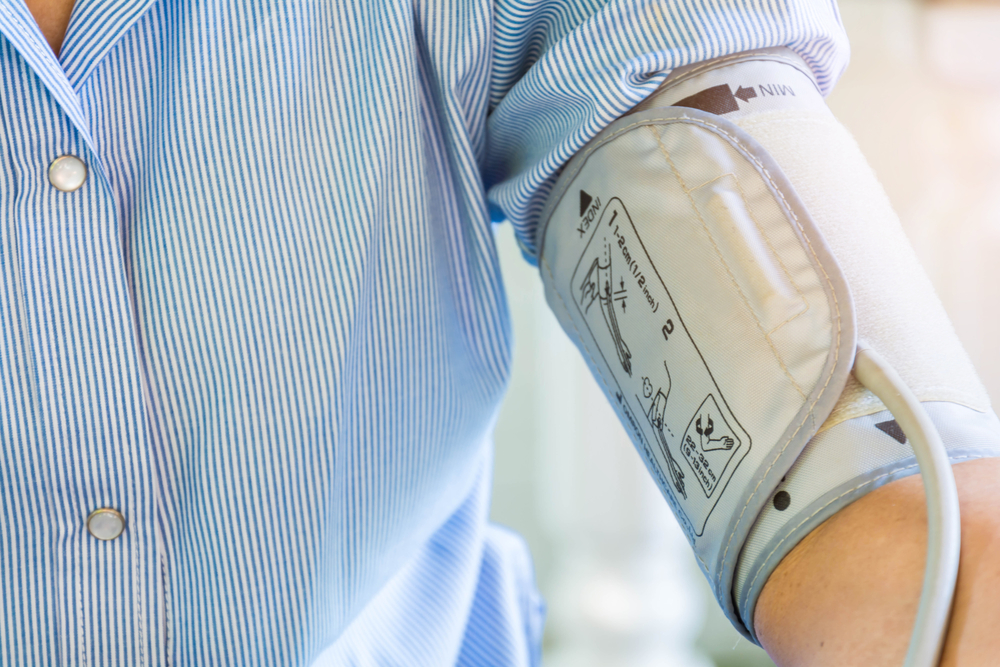
New, more effective treatments for high blood pressure could be possible thanks to the discovery that the nitric oxide that regulates blood pressure is formed in nerves rather than in the walls of blood vessels. The surprising findings, published March 6th 2017 in the journal Hypertension, by researchers at King’s College London follows a world-first… Continue reading New Treatment Target for Blood Pressure
Personalized Treatment for Those in Blood Pressure “Gray Zone”

Using data from a national study, Johns Hopkins researchers determined in 2017 that heart CT scans can help personalize treatment for patients whose blood pressure falls in the “gray zone” of just above normal or mild high blood pressure. A release from Johns Hopkins explains that previously the appropriate blood pressure treatment for these patients… Continue reading Personalized Treatment for Those in Blood Pressure “Gray Zone”
Sound Therapy May Balance Brain Signals to Reduce Blood Pressure & Migraines

A noninvasive neurotechnology that uses sound to balance right- and left-side brain frequencies was associated with lowered blood pressure, improved heart rate variability, and reduced symptoms of migraine headaches, according to two small studies presented in September 2016 at the American Heart Association’s Council on Hypertension Scientific Sessions in Orlando. A release from the association… Continue reading Sound Therapy May Balance Brain Signals to Reduce Blood Pressure & Migraines
The Health Benefits of Pets

Millions of people around the country have pets, most commonly cats and dogs, and they can feel the benefits, but there are some they may not even be aware of. Pets bring more to our lives than just a few laughs as they do something silly and pose for the camera. They give us a… Continue reading The Health Benefits of Pets
Update for Older People on the New Blood Pressure Recommendations

On November 10th 2015, thirdAGE published the breaking news about the new, lower blood pressure guidelines. Now the University of Utah has since issued an release that highlights the fact that for older people, there may be both benefits and drawbacks to lowering systolic blood pressure from the previous gold standard of 140 mmHG to… Continue reading Update for Older People on the New Blood Pressure Recommendations
Landmark NIH Study Finds Intensive BP Management May Save Lives

If you’ve been diagnosed with high blood pressure and you’re controlling it by keeping your systolic pressure under 140, you may need to get that number down to 120. That’s the finding of the Systolic Blood Pressure Intervention Trial (SPRINT) released September 11th 2015 by the National Institutes of Health. A release from the American… Continue reading Landmark NIH Study Finds Intensive BP Management May Save Lives
Smartphone Health Apps and Blind Readers

University of Washington researchers who conducted a review of nine mobile health applications found that they were not fully accessible to blind customers. In a paper published in the Journal on Technology & Persons with Disabilities, the researchers investigated nine common iPhone mobile health (mHealth) applications that upload data from blood pressure and blood sugar… Continue reading Smartphone Health Apps and Blind Readers
Study: St. John’s Wort Can Be As Harmful As Prozac

St. John’s Wort, touted as a remedy for depression, can cause serious side effects when it is taken with antidepressants and causes the same side effects as the antidepressant Prozac even when taken alone, according to new research from the University of Adelaide in Australia. In a study published in the journal Clinical and… Continue reading Study: St. John’s Wort Can Be As Harmful As Prozac
Diabetes and Heart Disease

For people with diabetes, heart disease can be a serious health problem. Many people don’t know that having diabetes means that you have a greater chance of having heart problems such as a heart attack or stroke. Taking care of your diabetes can also help you take care of your heart. The experts from the… Continue reading Diabetes and Heart Disease
Designing Better Blood Pressure Drugs

An experiment at the Department of Energy's SLAC National Accelerator Laboratory led by Vadim Cherezov, a chemistry professor at the University of Southern California, has revealed in atomic detail how a hypertension drug binds to a cellular receptor that plays a key role in regulating blood pressure. The results could help scientists design new drugs… Continue reading Designing Better Blood Pressure Drugs