
Fecal transplants – the transfer of fecal bacteria from a healthy person into a patient – may sound far-fetched or even bizarre. But the technique, which has been documented as far back as 4th century China, is helping people who suffer from a potentially dangerous and even fatal bacterial infection. First approved by the federal… Continue reading The Truth About Fecal Transplants: Medical Miracle?
Tag: Obesity
When Medications Work against Weight Loss

While diet, exercise and behavior modification are essential components of obesity management, a successful long-term weight loss strategy should also include avoiding or minimizing medication-related weight gain, according to researchers. In a paper published in Gastroenterology, investigators from the Comprehensive Weight Control Center at Weill Cornell Medicine underscore the necessity for physicians to evaluate the… Continue reading When Medications Work against Weight Loss
Obesity and Lack of Vitamin E

People with metabolic syndrome need significantly more vitamin E than those who don’t have the condition, researchers have found. Such a lack could be a serious public health concern, in light of the millions of people who have this condition that’s often related to obesity. A study published in the American Journal of Clinical Nutrition… Continue reading Obesity and Lack of Vitamin E
Moderate Exercise and Chronic Disease

Researchers at University of California San Diego School of Medicine have found how just one session of moderate exercise can also act as an anti-inflammatory. The findings have encouraging implications for chronic diseases like arthritis, fibromyalgia and for more pervasive conditions, such as obesity. The study, recently published online in Brain, Behavior and Immunity, found… Continue reading Moderate Exercise and Chronic Disease
Diet and Exercise Equally Effective Against Heart Disease

When it comes to improving cardiovascular health, what’s important is weight loss – but not how you do it. Exercise and dieting, or a combination of both, are equally effective. “For men and women with excess body weight, modest weight loss provides powerful protection against cardiovascular disease, regardless of whether weight loss is achieved by… Continue reading Diet and Exercise Equally Effective Against Heart Disease
Researchers Link Obesity to More Kinds of Cancer

There’s yet another reason to maintain a healthy weight as we age. An international team of researchers has identified eight additional types of cancer linked to excess weight and obesity: stomach, liver, gall bladder, pancreas, ovary, meningioma (a type of brain tumor), thyroid cancer and the blood cancer multiple myeloma. Limiting weight gain over the… Continue reading Researchers Link Obesity to More Kinds of Cancer
Debunking the “Food Desert” Myth: People Buy Most of Their Junk Food at the Supermarket

An analysis of a nationally representative sample of U.S. adults done by researchers at the University of Illinois at Urbana-Champaign reveals that access to healthy foods in a supermarket does not hinder Americans’ consumption of empty calories. In fact the study found that U.S. adults buy the bulk of their sugar-sweetened beverages and nutrient-poor discretionary… Continue reading Debunking the “Food Desert” Myth: People Buy Most of Their Junk Food at the Supermarket
Gender Differences in Diabetes and Aging

All’s not fair in love and glucose intolerance. Overweight men are more prone to get type 2 diabetes than are overweight women. The same phenomena holds true in mice and no one know why. Researchers at the Buck Institute for Research on Aging in Novato, California provided a possible answer to that question by discovering… Continue reading Gender Differences in Diabetes and Aging
Pokémon Go Could Be a Solution to Obesity and Chronic Disease

Researchers at the University of Leicester’s Diabetes Centre in the UK believe the smartphone craze Pokémon Go could be an “innovative solution” to rising obesity levels and chronic disease. A release from the university notes that millions of people around the world have started to play Pokémon Go, a virtual reality treasure hunt where players… Continue reading Pokémon Go Could Be a Solution to Obesity and Chronic Disease
Ordering Meals Earlier Is Healthier

People eat in a healthier manner when they avoid impulse ordering and plan meals at least an hour before eating, researchers have found. New findings from researchers at the Perelman School of Medicine at the University of Pennsylvania and Carnegie Mellon University show that people choose higher-calorie meals when ordering immediately before eating, and lower-calorie… Continue reading Ordering Meals Earlier Is Healthier
Diet Soda and Hypertension
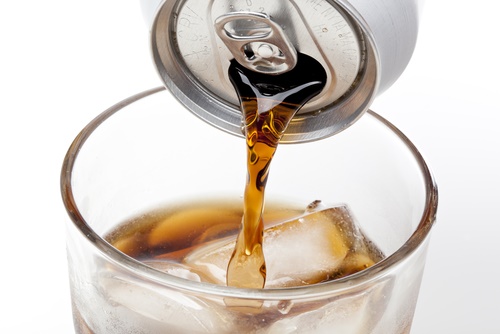
Does drinking diet soda raise blood pressure? Despite what you might have heard, the answer is no, according to experts at the Mayo Clinic. Dr. Irvin Cohen, a nephrologist at Mayo in Scottsdale, Arizona, says that there have been several studies on a possible connection between diet soda and hypertension but that none of them… Continue reading Diet Soda and Hypertension
Are You Cooking Too Much Food for Your Loved Ones?

Serving too much food to loved ones– whether on holidays or weeknight dinners – ends up wasting food and money, researchers say. The study was performed by experts from the Cornell Food and Brand Lab, Embrapa, and the Getulio Vargas Foundation in Brazil Prior to this study, little was known about how affection relates to… Continue reading Are You Cooking Too Much Food for Your Loved Ones?
Obesity and A Sweet Tooth: The Chemical Connection

The brain chemical dopamine may lead obese people to be fonder of sweets than thinner people, according to new research. The findings were published in the journal Diabetes. “We believe we may have identified a new abnormality in the relationship between reward response to food and dopamine in the brains of individuals with obesity,” said… Continue reading Obesity and A Sweet Tooth: The Chemical Connection
For the Obese, Just 5% Weight Loss = Significant Health Benefits

Those who struggle with obesity, take heart. Losing as little as 5% of your body weight is enough to reap significant health benefits, according to a study published February 22nd 2016 in Cell Metabolism. The randomized controlled trial of 40 obese men and women compared, for the first time, the health outcomes of 5%, 10%,… Continue reading For the Obese, Just 5% Weight Loss = Significant Health Benefits
Body Mass Index May Be Unreliable Health Tool

How accurate is the widely accepted BMI (Body Mass Index)? Not very, according to new research out of UC Santa Barbara and UCLA. The study reveals that millions of Americans labeled overweight or obese based on their BMI are, in fact, “perfectly healthy.” Their findings, which appear in the International Journal of Obesity, suggest that… Continue reading Body Mass Index May Be Unreliable Health Tool
Surprise! Junk Food Is Not to Blame for Obesity

While a diet of chocolate bars and cheeseburgers washed down with a sugary soda is inadvisable from a nutritional standpoint, these so-called “junk foods” are not likely to be a leading cause of obesity in the United States according to a Cornell University Food and Brand Lab study conducted by the Lab co-directors David Just,… Continue reading Surprise! Junk Food Is Not to Blame for Obesity
Standing at Work Burns Extra Calories

If you want to avoid sitting all day, try standing – at your desk. According to a new University of Iowa study, employees with sit-stand desks stood 60 minutes more a day at work compared to their co-workers with sitting desks, and they continued to do so long after their desks lost their novelty. Plus,… Continue reading Standing at Work Burns Extra Calories
Older People Are Getting Smarter, But Not Fitter

Older populations are scoring better on cognitive tests than people of the same age did in the past — a trend that could be linked to higher education rates and increased use of technology in our daily lives, say population researchers at International Institute for Applied Systems Analysis. The study was published in August 2015… Continue reading Older People Are Getting Smarter, But Not Fitter