
Researchers report an advance in the development of a blood test that could help detect Alzheimer’s disease in people who are showing signs of dementia. The new approach could be less invasive and less costly than current brain imaging and spinal fluid tests. The blood test detects the abnormal accumulation of a form of tau… Continue reading Progress Reported toward Earlier Diagnosis of Alzheimer’s
Tag: protein
Experts Discover Five New Risk Genes for Alzheimer’s

Researchers report that they have discovered five new risk genes for Alzheimer’s disease, while confirming others that are already known. The international team of researchers, who analyzed results from more than 94,000 people, also reported for the first time that mutations in genes specific to the protein tau, a hallmark of Alzheimer’s disease, may play… Continue reading Experts Discover Five New Risk Genes for Alzheimer’s
Protecting Ribosome Genes to Prevent Aging

Aging, the process of gradual deterioration from exposure to time and the elements, begins with deterioration deep inside every cell. Researchers from Stanford University and the VA Palo Alto Health Care System (VAPAHCS) have identified a protein that guards cells against senescence – aging-related problems – by protecting a particularly vulnerable set of genes. The… Continue reading Protecting Ribosome Genes to Prevent Aging
Study: Eating Protein Three Times A Day Leads to Greater Muscle Mass in Elderly

Eating equal amounts of protein three times a day may be linked to muscle strength and greater mass in elderly people. Those are the findings of a study conducted at the Research Institute of the McGill University Health Centre (RI-MUHC) in collaboration with the Université de Sherbrooke and the Université de Montréal. The research team… Continue reading Study: Eating Protein Three Times A Day Leads to Greater Muscle Mass in Elderly
Rare Hormone May Eventually Be A Life Extender for Humans

Klotho, a life-extending protein hormone, occurs in only a minority of people. But eventually, scientists may be able to administer it to others. Scientists at UC San Francisco found that giving klotho to young, aging or impaired mice rapidly improves their cognitive and physical performance. While previous studies had revealed associations between elevated klotho levels… Continue reading Rare Hormone May Eventually Be A Life Extender for Humans
Battling a Deadly Alzheimer’s Protein

Researchers have demonstrated that there is a way to reduce in the brain the amount of amyloid beta – the protein that is believed to be the major cause of Alzheimer’s. Substances that reduce the production of amyloid beta are therefore promising candidates for new drug treatments. A team at the Technical University of Munich… Continue reading Battling a Deadly Alzheimer’s Protein
How Nutrition Helps Recovery from Addiction

According to the National Institute on Drug Abuse, drug addiction is a chronic, relapsing brain disease. It is considered a brain disease because studies have shown that drugs and alcohol physically change the structure of the brain and how the brain works. Research has shown that a majority of addicts suffer from biochemical, nutritional, and… Continue reading How Nutrition Helps Recovery from Addiction
What You Need to Know About Protein Intake

Protein gets a lot of publicity these days. Just think of all the protein bars, shakes and powders out there. It’s supposed to help with weight loss and build muscle. But what’s the real story? Here, from an article in the Mayo News Network, is what you should know: “Contrary to all the hype that… Continue reading What You Need to Know About Protein Intake
Choosing the Right Yogurt

During an hourlong cable show I recently watched. there were ads for three different brands of yogurt. In 2016, Americans spent $7.7 billion on yogurt—up 20% from 2011. Your yogurt shelves are fuller than ever with varieties named after all sorts of countries—Greece, Australia, Iceland. With mix-ins, fat-free, and other options, choosing a cup of… Continue reading Choosing the Right Yogurt
Why Glucose Level in Brain Signals Alzheimer’s

One of the earliest signs of Alzheimer’s disease is a decline in glucose levels in the brain. It appears in the early stages of mild cognitive impairment – before symptoms of memory problems begin to surface. Whether it is a cause or consequence of neurological dysfunction has been unclear, but new research at the Lewis… Continue reading Why Glucose Level in Brain Signals Alzheimer’s
Fast-Cooking Dry Beans Provide More Protein and Iron

Beans are a versatile, inexpensive staple that can boost essential nutrients in a diet. To get the most out of these legumes, new research suggests choosing fast-cooking dry beans could be the way to go. A study in American Chemical Society’s Journal of Agricultural and Food Chemistry found that fast-cooking beans retained more protein, iron… Continue reading Fast-Cooking Dry Beans Provide More Protein and Iron
What Should You Know about Proteins?
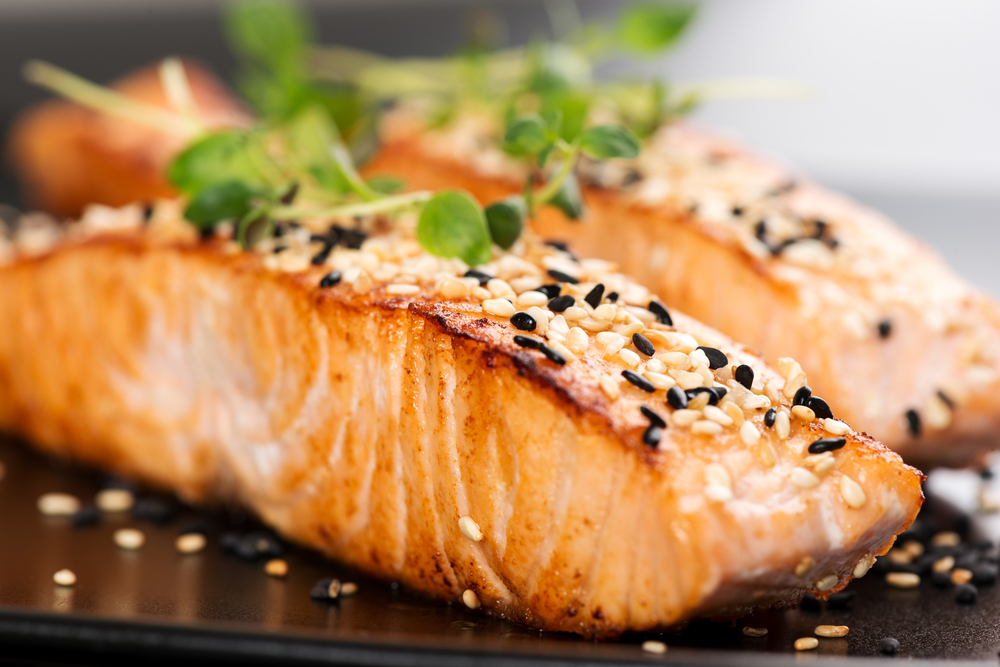
Editor’s note: Protein foods are an essential part of a healthy diet. Here, experts from ChooseMyPlate, a division of the U.S. Department of Agriculture, offer a basic guide to this important food group as well as tips on selecting the best kinds of protein-rich foods. What foods are in the protein foods group? All foods… Continue reading What Should You Know about Proteins?
A New Way to Fight Free Radicals

University of Michigan researchers have taken a big step in figuring out how to fight deadly free radicals, which cause cell damage, aging, disease and death. The study outlines the discovery of a protein that acts as a powerful protectant against free radicals. Ironically, the protein is activated by excessive free radicals. Human mutations of… Continue reading A New Way to Fight Free Radicals
Fighting Zika on a Cellular Level

Scientists have shown that a very small protein we have in our bodies can dramatically reduce the ability of the Zika virus to infect human and mouse cells, and in some cases can also prevent Zika from killing our cells. The findings, about interferon-induced protein 3 (IFITM3), were published in the journal Cell Reports. “This… Continue reading Fighting Zika on a Cellular Level
The Six Worst Dieting Mistakes

The hardest part of any weight loss routine is adjusting your diet. It’s easy to be misinformed and think you’re doing the right thing when in fact, your diet changes might actually be sabotaging your efforts. While diet shouldn’t be your only focus when it comes to shedding those few extra pounds, Bedros Keuilian, Founder… Continue reading The Six Worst Dieting Mistakes
Ready to Vary Your Protein Routine?
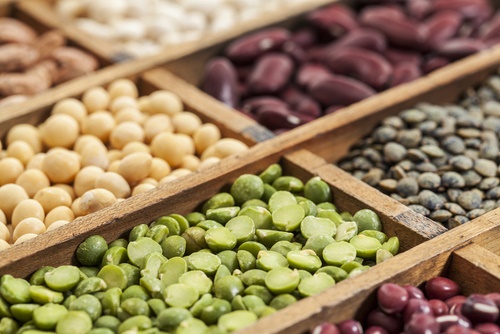
Protein foods include both animal (meat, poultry, seafood, and eggs) and plant (beans, peas, soy products, nuts, and seeds) sources. We all need protein—but most Americans eat enough, and some eat more than they need. How much is enough? Most people, ages 9 and older, should eat 5 to 7 ounces* of protein foods each… Continue reading Ready to Vary Your Protein Routine?
A Protein May Help Fight Aging Memory

Investigators have discovered an interesting way that may improve memory and learning in aging brains: by increasing the quantity of a protein in nerve cells. The study, led by scientists at The Scripps Research Institute (TSRI), the Veterans Affairs San Diego Healthcare System (VA) and University of California (UC) San Diego School of Medicine, was published… Continue reading A Protein May Help Fight Aging Memory
A Protein That Causes Muscle Loss

Researchers have discovered that a protein causes muscle weakness and loss during aging, according to a news release from the University of Iowa. The protein, ATF4, alters gene expression in skeletal muscle, causing reduction of muscle protein synthesis, strength, and mass. The Iowa study also identifies two natural compounds, one found in apples and one… Continue reading A Protein That Causes Muscle Loss